
Blog
Posts
Lunch
Featured Posts
COM_SPPAGEBUILDER_NO_ITEMS_FOUND


Everything You Need to Know About Tuna Fish: Types, Uses, and Facts
Tuna fish is more than just a common ingredient in salads or sandwiches—it's a versatile, nutritious, and widely consumed seafood with global significance. From gourmet sushi bars to kitchen pantries around the world, tuna plays a central role in both daily meals and fine cuisine.
In this article, we dive into the types of tuna, their culinary applications, and some fascinating facts you may not know.
Types of Tuna Fish
There are over 15 species of tuna, but the following are the most commonly consumed:
1. Skipjack (Katsuwonus pelamis)
-
Most widely canned tuna.
-
Small and fast-growing, making it more sustainable.
-
Light flavor and texture — great for salads and sandwiches.
2. Albacore (Thunnus alalunga)
-
Known as “white tuna” in canned form.
-
Mild flavor and firm texture.
-
Moderate mercury levels — consume in moderation.
3. Yellowfin (Thunnus albacares)
-
Often used in sashimi and grilling.
-
Bright red flesh, mild taste.
-
Frequently labeled as “ahi” in restaurants.
4. Bluefin (Thunnus thynnus)
-
Rich, buttery flavor and dark red color.
-
Most prized in sushi, especially in Japan.
-
High in mercury and often overfished — choose responsibly.
5. Bigeye (Thunnus obesus)
-
Similar to bluefin in taste and texture.
-
Used in sushi and steaks.
-
Also considered overfished in some regions.
Culinary Uses of Tuna
Tuna can be enjoyed in a variety of ways across cultures and cuisines:
🥗 Cold Dishes:
-
Tuna salad with mayo or Greek yogurt
-
Nicoise salad with olives, eggs, and greens
-
Tuna wraps and sandwiches
🍣 Raw Preparations:
-
Sashimi (thinly sliced raw tuna)
-
Nigiri sushi (raw tuna over vinegared rice)
-
Tuna tartare with avocado and citrus
🍽️ Cooked Meals:
-
Grilled tuna steaks
-
Tuna pasta dishes
-
Tuna casseroles and melts
🥫 Canned Tuna Recipes:
-
Tuna patties or burgers
-
Tuna-stuffed vegetables
-
Quick tuna pasta with olive oil and herbs
Is Tuna Healthy?
Yes — tuna is packed with lean protein, omega-3 fatty acids, and essential vitamins like B12, niacin, and selenium. It’s low in fat and calories, making it excellent for balanced diets.
However, some types (especially large species like bluefin and albacore) can contain high mercury levels. It’s best to enjoy tuna in moderation, especially for children and pregnant women.
Interesting Facts About Tuna
-
Tuna can swim at speeds up to 75 km/h (46 mph).
-
Some species, like bluefin tuna, can weigh over 600 kg (1,300 lbs).
-
Tuna are warm-blooded, unlike most fish.
-
Japan consumes about 80% of the world’s bluefin tuna.
Sustainability and Tuna Fishing
Due to overfishing, some tuna species are endangered. To support sustainable seafood, look for:
-
MSC (Marine Stewardship Council) certification
-
Labels like “pole-and-line caught” or “FAD-free”
-
Brands committed to ethical sourcing
Supporting sustainable tuna helps protect marine ecosystems and ensure future availability.
Final Words
Tuna fish is a staple in kitchens worldwide — flavorful, healthy, and versatile. From a quick canned lunch to premium sushi experiences, tuna suits every palate and lifestyle.
Just be sure to choose sustainably sourced options and keep your intake balanced for both your health and the planet.
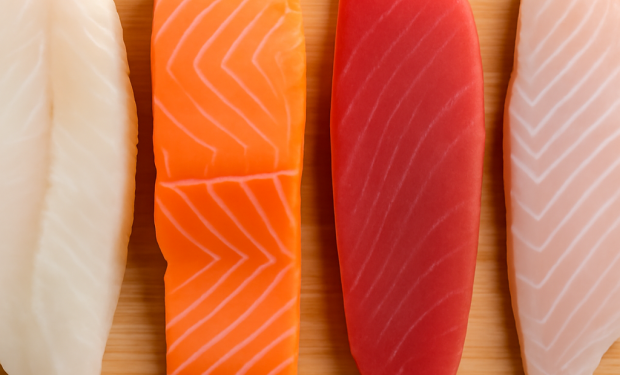
Understanding Fish Tone: What It Is and Why It Matters
Fish tone is a term used to describe the unique color, texture, and freshness characteristics of fish flesh, which directly affect the quality, taste, and overall appeal of fish as food. Whether you’re a chef, seafood lover, or a fish seller, understanding fish tone can help you select the best fish and enjoy it at its finest.
What Is Fish Tone?
Fish tone refers primarily to the color and appearance of the fish’s flesh. It varies widely depending on the species of fish, its diet, environment, and freshness. Fish flesh can range in tone from pale white to deep pink, orange, or even reddish hues.
-
White fish (like cod, haddock, or tilapia) usually have pale, almost translucent flesh.
-
Oily fish (like salmon, trout, or tuna) typically show richer, more vibrant tones such as pink or red.
-
Some fish have flesh with unique tones due to their environment or diet, such as wild salmon with bright orange flesh due to their natural diet of krill and shrimp.
Why Fish Tone Matters
1. Indicator of Freshness
Fresh fish has a firm texture and vibrant, natural tone. As fish ages or begins to spoil, the flesh tone can dull, become discolored, or show signs of browning. A bright, consistent fish tone is often a reliable sign that the fish is fresh and safe to eat.
2. Taste and Texture
Fish tone can also reflect the fat content and texture. For example, a deeper red or pink tone in tuna indicates higher fat content, which can contribute to a richer flavor and buttery texture. On the other hand, lighter-toned fish tend to have milder flavors.
3. Visual Appeal
The color and tone of fish affect how appetizing it looks. Vibrant, clear tones in fish flesh are more attractive to consumers, whether in markets or on restaurant plates.
Factors Affecting Fish Tone
-
Species: Different fish species naturally have different flesh colors.
-
Diet: What the fish eats influences its flesh tone. For example, farmed salmon often have paler flesh compared to wild salmon because of dietary differences.
-
Environment: Water temperature, quality, and habitat can impact fish tone.
-
Handling and Storage: Proper handling, refrigeration, and storage maintain the fish’s natural tone. Poor handling can cause discoloration and spoilage.
How to Check Fish Tone When Buying Fish
-
Look for bright, translucent flesh that reflects the species’ typical tone.
-
Avoid fish with brownish or dull spots.
-
Smell the fish—fresh fish should smell like the ocean or clean water, not fishy or sour.
-
Check for firm texture; flesh should spring back when pressed gently.
Conclusion
Fish tone is more than just color—it's a sign of freshness, quality, and taste. By paying attention to fish tone, you can better select and enjoy fish that is delicious, safe, and visually appealing. Whether you're buying fish at a market or cooking it at home, understanding fish tone will enhance your seafood experience.